Distinguishing IT Outages from Cyber Attacks: A Critical Challenge
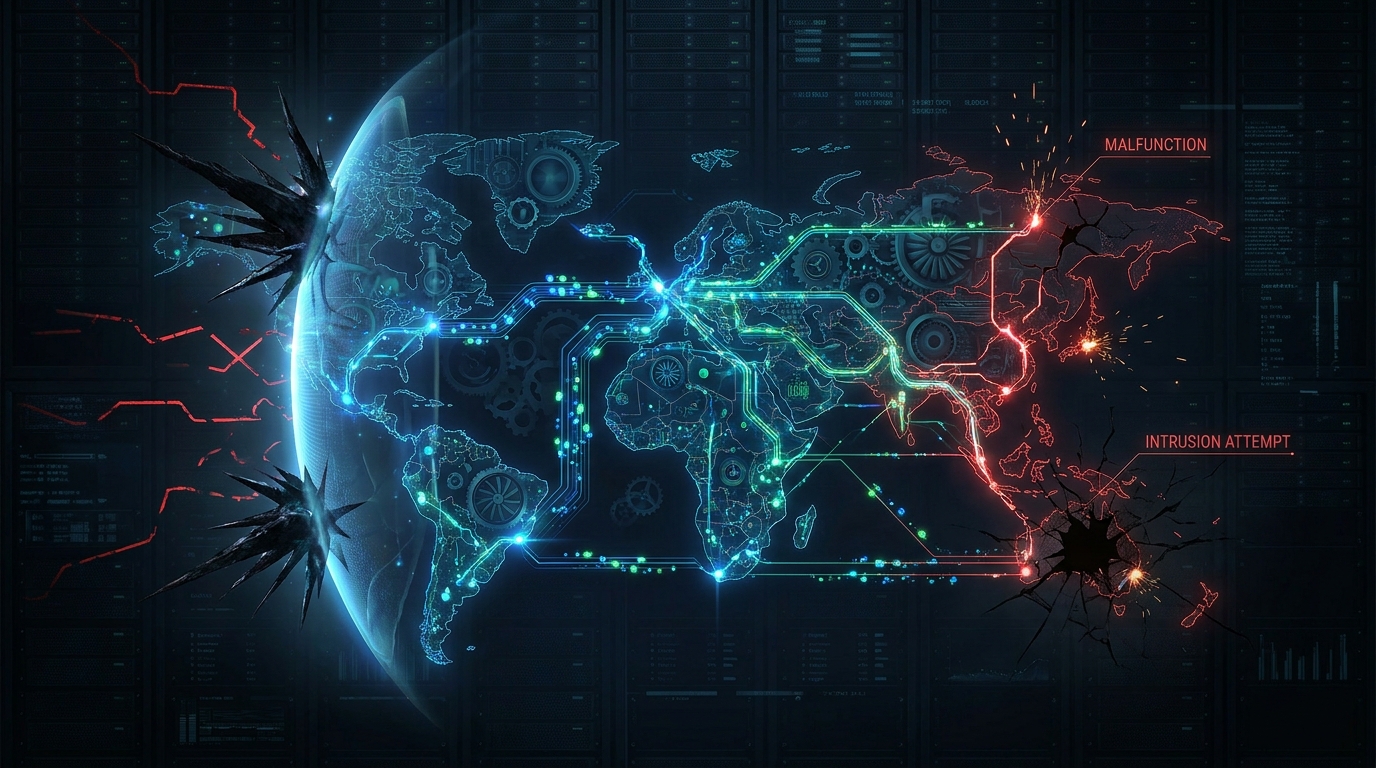
When operational systems fail, the immediate cause is often unclear. Was it a hardware malfunction, a software bug, human error, or a malicious cyber attack? The distinction carries significant weight, impacting response protocols, communication strategies, and long-term security posture. Recent incidents, such as the IT disruption at Boeing, underscore the complexities inherent in rapidly identifying the root cause of system failures, particularly within critical infrastructure sectors.
Organizations in aerospace, defense, and other vital industries frequently face the difficult task of differentiating between an innocuous operational glitch and a targeted attack. The initial uncertainty can delay effective response, exacerbate damages, and erode public trust. A robust approach demands not only advanced technical capabilities but also a clear understanding of the potential vectors for both types of disruption.
Understanding Common Causes of IT Disruption
IT disruptions can stem from various sources, making initial attribution challenging. Categorizing these helps in developing tailored diagnostic and mitigation strategies.
Secure your business and remote users
Get an All-In-One security stack, reduce lateral movement, and monitor every endpoint, fully managed for you. For just $1 per day.
Book a Meeting Now- Accidental Human Error: Misconfigurations, incorrect software deployments, or accidental deletions remain leading causes of outages.
- Hardware Failures: Aging infrastructure, component defects, or environmental factors (e.g., power surges, cooling system failures) can lead to unexpected shutdowns.
- Software Bugs and Glitches: Flaws in code, compatibility issues, or unpatched vulnerabilities often manifest as system instability or crashes.
- Natural Disasters and Environmental Factors: Extreme weather, fires, or seismic activity can directly impact data centers and network infrastructure.
- Malicious Cyber Attacks: These are distinct, involving deliberate attempts to disrupt, deny, degrade, or destroy systems and data. Examples include ransomware, distributed denial-of-service (DDoS) attacks, data exfiltration campaigns, and wiper malware.
The immediate symptoms of a major IT outage—system inaccessibility, network latency, data corruption—can often mimic those of a cyber attack, necessitating a rapid yet thorough forensic investigation.
The Far-ReReaching Impact of IT Disruptions on Critical Infrastructure
For entities operating critical infrastructure, such as aerospace and defense manufacturers, any significant IT disruption carries profound consequences extending beyond immediate operational losses. Production lines can halt, supply chains can fracture, and the integrity of vital national security systems can be compromised.
- Operational Stagnation: Production schedules for aircraft or defense systems can experience severe delays, impacting delivery commitments and strategic timelines.
- Financial Repercussions: Direct costs include lost revenue, recovery expenses, and potential regulatory fines. Indirect costs involve reputational damage and diminished market confidence.
- Reputational Damage: Incidents can undermine trust among customers, partners, and government stakeholders, particularly if communication is slow or inconsistent.
- Supply Chain Disruptions: Modern manufacturing relies heavily on interconnected digital systems. An outage or attack at one point can ripple through the entire supply chain, affecting numerous downstream partners and operations.
- National Security Implications: In defense-related industries, system downtime or data breaches can have significant national security consequences, potentially compromising sensitive designs, operational plans, or classified information.
The Boeing incident, regardless of its ultimate cause, highlighted the fragility of complex manufacturing processes to even temporary IT failures, particularly when timed critically, such as at the close of a financial quarter.
Advanced Strategies for Detection, Response, and Cyber Resilience
Building superior cyber resilience requires a multi-layered strategy that anticipates, detects, and rapidly responds to both accidental outages and deliberate attacks. Tech leaders must champion a shift from reactive defense to proactive, integrated security.
Proactive Measures and Threat Intelligence
Effective defense begins long before an incident occurs.
- Continuous Vulnerability Management: Regular scanning, penetration testing, and timely patching are fundamental.
- Robust Access Controls: Implementing Zero Trust architectures, multi-factor authentication (MFA), and strict privilege management minimizes unauthorized access.
- Network Segmentation: Dividing networks into smaller, isolated segments limits the lateral movement of threats during an attack or the spread of an outage.
- Threat Intelligence Integration: Leveraging real-time threat feeds and intelligence allows organizations to anticipate emerging threats and bolster defenses accordingly.
- Incident Response Planning: Developing, regularly updating, and testing comprehensive incident response playbooks ensures a coordinated and effective reaction to any disruption.
Advanced Detection Capabilities
The ability to quickly identify the nature and scope of a disruption is paramount.
- AI/ML-Driven Anomaly Detection: Artificial intelligence and machine learning can analyze vast datasets to identify unusual patterns that may indicate an emerging threat or system anomaly.
- Endpoint Detection and Response (EDR): EDR solutions provide continuous monitoring and data collection on endpoints, enabling rapid detection of malicious activities.
- Security Information and Event Management (SIEM): SIEM systems aggregate and analyze security logs from various sources, offering a holistic view of the security posture and aiding in correlation of events.
- Advanced Logging and Monitoring: Comprehensive logging across all systems, combined with real-time monitoring and alerting, is crucial for timely detection and forensic analysis.
Swift Incident Response and Recovery
Once a disruption is detected, rapid and decisive action is required.
- Automated Response Playbooks: Pre-defined actions for common incident types can reduce response times and human error.
- Forensic Analysis: Dedicated teams must perform thorough investigations to determine the root cause, scope, and impact, especially to differentiate outages from attacks.
- Communication Protocols: Clear internal and external communication plans are essential for managing stakeholder expectations and maintaining transparency, where appropriate.
- Business Continuity and Disaster Recovery (BCDR): Robust BCDR plans ensure that critical operations can resume swiftly, minimizing downtime and data loss. This includes regular data backups and geographically dispersed redundant systems.
Securing the Supply Chain: An Extended Perimeter
The competitor’s article briefly mentions a past cyber incident involving a Boeing supplier. This highlights a significant vulnerability: the supply chain. Modern enterprises are deeply intertwined with third-party vendors, each representing a potential entry point for attackers.
- Vendor Risk Management (VRM): Implement comprehensive programs to assess, monitor, and manage the cyber security risks associated with all third-party suppliers.
- Third-Party Audits and Assessments: Conduct regular security audits and assessments of critical vendors to verify their adherence to security standards.
- Contractual Security Obligations: Include explicit cyber security requirements and liability clauses in all vendor contracts.
- Supply Chain Threat Intelligence: Monitor for threats targeting suppliers and foster information sharing within the ecosystem.
Lessons for Tech Leaders: Embracing a Culture of Cyber Resilience
The evolving landscape of IT disruptions and cyber threats demands that tech leaders adopt a proactive and holistic approach to cyber security. Investing in advanced technology is insufficient without a corresponding investment in people, processes, and a culture of security.
- Prioritize Resilience: Design systems and operations with resilience in mind, capable of withstanding and recovering from disruptions.
- Foster a Security-First Culture: Embed security awareness and best practices throughout the organization, from the C-suite to front-line employees.
- Continuous Improvement: The threat landscape is dynamic. Regularly review and update security policies, technologies, and incident response plans.
- Cross-Functional Collaboration: Break down silos between IT, operations, legal, and communications teams to ensure a unified approach to risk management and incident response.
- Invest in Talent and Training: Cultivate a skilled cyber security workforce and provide continuous training for all employees on their role in maintaining security.
By diligently implementing these strategies, organizations can not only better differentiate between IT outages and cyber attacks but also build the foundational strength to withstand and rapidly recover from any form of disruption, safeguarding their operations, reputation, and critical assets.