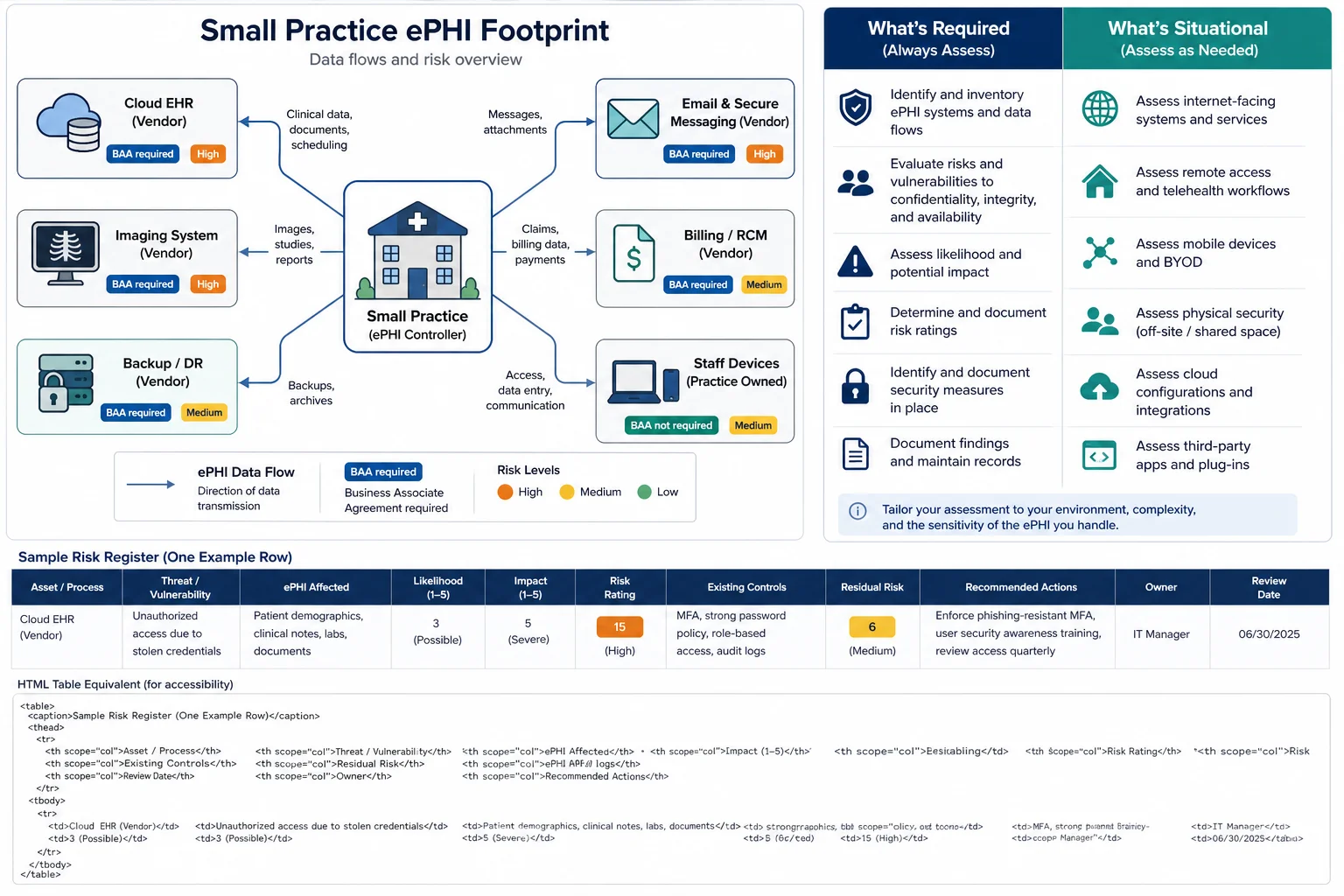
The Modern Cybersecurity Landscape in Healthcare
In the digital age, medical clinics have become prime targets for cybercriminals. As patient records move to the cloud and telemedicine becomes a standard of care, traditional firewalls are no longer sufficient to stop sophisticated threats. Many practice owners are now turning to SASE for medical clinics to bridge the gap between agility and ironclad security.
Secure Access Service Edge, or SASE, represents a revolutionary shift in how healthcare providers manage their network infrastructure. By converging wide area networking (WAN) with comprehensive security services into a single, cloud-native model, clinics can finally protect sensitive information regardless of where the doctor or patient is located.
What is SASE and Why Does Healthcare Need It?
SASE is not just a single tool; it is a framework that integrates several security functions. When implementing SASE for medical clinics, practices gain access to:
Secure your business and remote users
Get an All-In-One security stack, reduce lateral movement, and monitor every endpoint, fully managed for you. For just $1 per day.
Book a Meeting Now- Zero Trust Network Access (ZTNA): Ensuring that only authorized personnel can access specific patient files.
- Secure Web Gateway (SWG): Blocking malicious sites before they impact the clinic network.
- Cloud Access Security Broker (CASB): Protecting data as it moves between local servers and cloud-based EMR systems.
- Firewall as a Service (FWaaS): Eliminating the need for bulky, hardware-based legacy firewalls.
For a busy clinic, this means that staff can access diagnostic tools and patient records from any device, knowing that their connection is encrypted and scrutinized for threats in real time.
The Compliance Advantage
Staying compliant with HIPAA is a primary concern for every medical office. Data breaches are not just expensive; they destroy the hard-earned trust between a physician and their patient. By adopting SASE for medical clinics, administrators can automate many of the security controls required for compliance. The framework provides granular visibility, ensuring that every interaction with a database is logged, verified, and secured.
Scalability and Performance
One of the biggest pain points for growing practices is network latency. As a clinic adds more digital devices, traditional hardware often struggles to keep up. SASE operates at the edge, meaning data is processed closer to the user. This reduction in latency improves the speed of your Electronic Health Record (EHR) systems, allowing doctors to spend less time waiting for screens to load and more time focusing on patient outcomes.
Reducing Costs Through Consolidation
Many clinics currently pay for fragmented security solutions—a separate VPN, a third-party antivirus, and a hardware firewall. These disparate tools create management nightmares. By moving to a unified SASE model, clinics can consolidate these vendors, often reducing their total cost of ownership while simultaneously improving their security posture. It is a win-win for both the IT budget and the practice’s cyber resilience.
Implementing SASE in Your Practice
Transitioning to a modern security architecture might seem daunting, but it is essential for the longevity of your practice. The following steps can help you get started:
- Audit your current access points: Identify every device that connects to your patient database.
- Assess your cloud readiness: Determine which of your current workflows are cloud-based and which rely on legacy servers.
- Partner with a healthcare-focused MSP: Work with experts who understand the nuances of SASE for medical clinics to ensure a smooth transition that doesn’t disrupt daily patient care.
Cybersecurity is no longer an optional luxury for the medical field; it is a fundamental pillar of patient safety. By adopting SASE, you are not just protecting your data; you are protecting your reputation and your patients’ privacy in an increasingly digital world.