By Staff Writer
When Crisis Hits: CISA’s Unprecedented Challenge
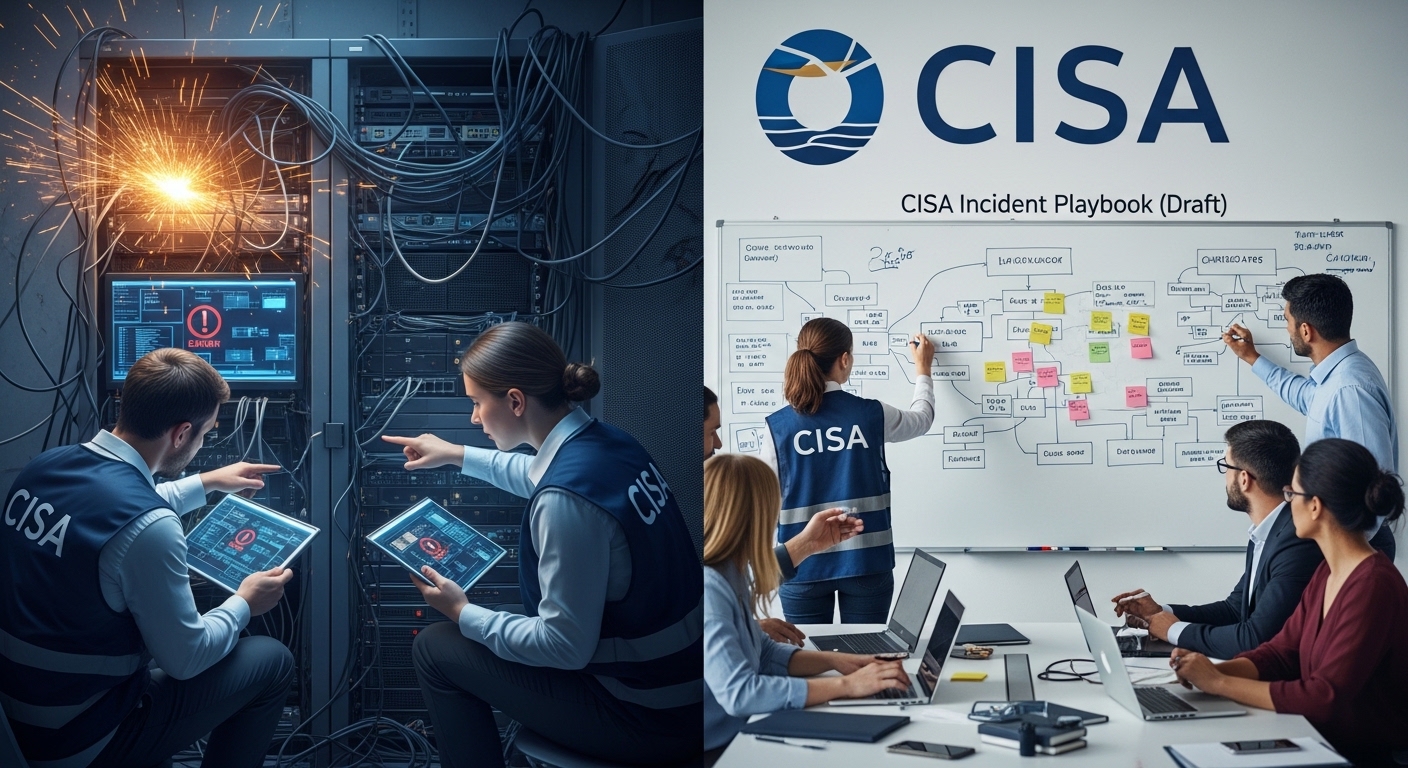
In the world of cybersecurity, preparedness is everything. Organizations, especially those tasked with national security, are expected to have robust plans in place for when the inevitable happens. That’s why a recent disclosure from the US cybersecurity agency CISA had to build its incident playbook during the incident, agency reveals, sent ripples through the security community. It’s a stark reminder that even the most advanced agencies can face unforeseen circumstances, forcing them to adapt in real-time.
The incident itself came to light thanks to independent cybersecurity journalist Brian Krebs. He reported in May on an alert from a security researcher at GitGuardian. This researcher had found reams of exposed passwords. They were sitting in a publicly accessible GitHub repository, uploaded by an employee of a CISA contractor. Imagine that: sensitive credentials out in the open, not by a direct CISA employee, but via a third party working for them. This situation instantly created a major headache for the agency.
Secure your business and remote users
Get an All-In-One security stack, reduce lateral movement, and monitor every endpoint, fully managed for you. For just $1 per day.
Book a Meeting NowBuilding the Ship While Sailing: A Real-Time Response
Responding to a cyberattack is tough enough. Doing so without a complete, predefined guide makes it exponentially harder. CISA’s revelation means they were essentially figuring out their next steps as the breach unfolded. They were reacting, making decisions, and documenting processes, all while trying to contain the damage. This real-time construction of their response strategy is what makes the statement, “US cybersecurity agency CISA had to build its incident playbook during the incident, agency reveals,” so impactful.
This isn’t to say CISA had no plan at all. Agencies always have general security protocols. But an incident playbook is specific. It’s a detailed, step-by-step guide outlining roles, communication strategies, technical procedures, and legal obligations for a particular type of attack. Without that specific guide ready, CISA’s teams had to improvise. They demonstrated significant agility, but it also points to a gap in their preemptive planning for this specific scenario.
What’s an Incident Playbook, Anyway?
Think of an incident playbook as a fire drill manual for digital emergencies. It’s a comprehensive document that specifies exactly what needs to happen when a security incident occurs. This includes who does what, when, and how. A good playbook covers everything from initial detection and containment to eradication, recovery, and post-incident analysis.
For any organization aiming for strong digital defense, having a well-rehearsed playbook is foundational. It ensures a calm, coordinated, and effective response, minimizing damage and recovery time. Without one, chaos can quickly take over. This is where a robust security service often steps in, providing not just tools but also the strategic frameworks, like playbooks, that are absolutely vital. It’s about having a clear roadmap for every potential digital disaster.
The Core Problem: Exposed Credentials and Supply Chain Risk
The root of CISA’s immediate crisis was a contractor’s misstep: exposed credentials. This isn’t just a CISA problem; it’s a universal vulnerability. Third-party vendors and contractors often gain privileged access to systems. If their security practices are lax, or if their employees make errors, the main organization becomes vulnerable. This incident serves as a glaring example of supply chain risk in action.
The GitHub repository containing the passwords presented a clear and present danger. Publicly accessible repositories can be goldmines for malicious actors. It’s a common oversight, often happening when developers, perhaps using a range of tools including open-source AI coding agents, become complacent about what they’re pushing to public platforms. The revelation that the US cybersecurity agency CISA had to build its incident playbook during the incident, agency reveals, underscores the urgency of stringent security not just internally, but across the entire vendor ecosystem.
Lessons Learned for Everyone
CISA’s experience offers valuable lessons for businesses and government entities alike:
- Proactive Planning is Non-Negotiable: Don’t wait for a breach to happen. Develop comprehensive incident response playbooks for various scenarios *before* you need them.
- Vendor Oversight is Critical: Your cybersecurity is only as strong as your weakest link, which often means your third-party contractors. Implement strict security clauses, regular audits, and clear communication channels.
- Educate and Train: Human error is a major factor. Regular security awareness training for all employees, especially those dealing with sensitive data or public repositories, is paramount.
- Assume Breach: Operate with the mindset that a breach is inevitable. This fosters a culture of readiness and continuous improvement in your incident response capabilities.
- Automate Where Possible: For common incidents, automated playbooks or workflows can significantly speed up response times and reduce human error.
The fact that the US cybersecurity agency CISA had to build its incident playbook during the incident, agency reveals, is less an indictment and more a powerful case study. It highlights the dynamic nature of cybersecurity and the constant need for vigilance and adaptable strategies.
Moving Forward: Strengthening Defenses
CISA, as a leading cybersecurity agency, is likely to integrate these learnings into their operational framework. They are an agency known for transparency, and this disclosure helps other organizations understand the real-world challenges involved. The incident reinforces the fact that cybersecurity is an ongoing process, not a one-time fix. It demands continuous assessment, adaptation, and refinement of strategies and tools.
Ultimately, while it’s concerning that the US cybersecurity agency CISA had to build its incident playbook during the incident, agency reveals, it also shows a commitment to learning and improving. It’s a moment for reflection across the entire digital security landscape. How prepared are we, really, for the next big cyber challenge?