Politician Investigating Spyware Hacked with Pegasus
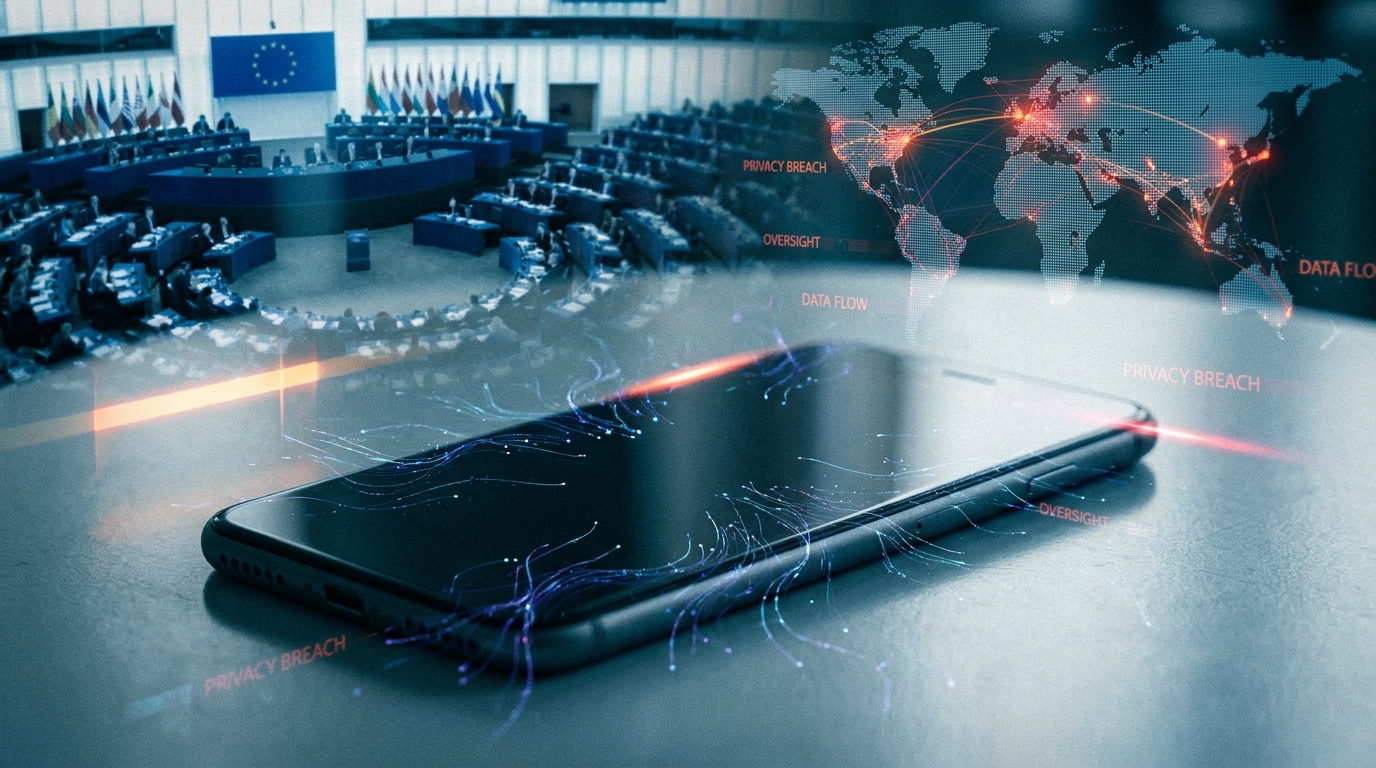
Security researchers have confirmed that a European politician, Stelios Kouloglou, a Greek journalist and former Member of the European Parliament, had his phone compromised with Pegasus spyware. This incident occurred while Kouloglou was serving on the European Parliament’s PEGA committee, an investigatory body specifically tasked with probing abuses of surveillance technology. The attack marks a significant escalation, representing the first publicly identified case of a PEGA committee member becoming a direct victim of the very spyware they were investigating.
This targeting underscores the severe risks associated with powerful surveillance tools like Pegasus, particularly when deployed against individuals involved in democratic oversight. The breach raises fundamental questions about government accountability, digital privacy, and the integrity of legislative processes. The Citizen Lab at the University of Toronto, a prominent digital rights watchdog, brought this particular case to light, emphasizing the sophisticated nature of the attack and its potential to undermine democratic institutions.
Understanding Pegasus Spyware: Capabilities and Creators
Pegasus is a highly advanced form of surveillance software, or spyware, developed by the Israeli firm NSO Group. Designed to be discreet and potent, it grants its operators comprehensive access to a target’s mobile device. Its capabilities extend far beyond typical hacking, allowing for deep infiltration and data exfiltration without the user’s knowledge.
Secure your business and remote users
Get an All-In-One security stack, reduce lateral movement, and monitor every endpoint, fully managed for you. For just $1 per day.
Book a Meeting Now- Zero-Click Exploits: One of Pegasus’s most alarming features is its ability to deploy via “zero-click” exploits. This means the spyware can infiltrate a device without any interaction from the target, such as clicking a malicious link. It leverages previously unknown vulnerabilities (zero-days) in operating systems and popular applications (like messaging apps) to gain access silently.
- Extensive Data Collection: Once installed, Pegasus can extract virtually all data from a phone, including text messages, call records, contacts, calendar information, emails, and browsing history. It can also activate the device’s microphone and camera to record conversations and surroundings, effectively turning the smartphone into a pervasive surveillance device.
- Geolocation Tracking: The spyware also provides real-time location tracking, offering a complete picture of a target’s movements.
NSO Group maintains that Pegasus is sold exclusively to vetted government agencies for the purpose of combating terrorism and serious crime. However, numerous investigations by human rights organizations, journalists, and cybersecurity researchers have repeatedly documented its misuse against journalists, political dissidents, lawyers, and human rights defenders globally.
The Kouloglou Incident: A Breach of Democratic Oversight
Stelios Kouloglou’s phone was reportedly hacked multiple times, in October 2022 and again in March 2023. These periods coincided with critical phases of the PEGA committee’s work, including intense discussions and the drafting of its report on spyware abuses across Europe. The timing of these attacks strongly suggests an intent to gather intelligence on the committee’s proceedings, potentially compromising the integrity of its investigation.
The Citizen Lab’s analysis revealed that the attack exploited a security vulnerability in Apple’s iPhone software, specifically within its smart home framework. Although a patch for this vulnerability was available, it had not yet been installed on Kouloglou’s device, making it susceptible to the zero-click exploit. This highlights a critical point: even with patches released, the window between patch availability and widespread installation can be exploited by sophisticated attackers.
Kouloglou himself described the compromise as “reckless,” expressing anger at the violation of his personal and professional privacy. The incident provoked strong condemnation from other European lawmakers, who viewed it as a “direct attack on the rule of law” and called for concrete action from the European Commission to impose stricter controls on spyware usage within the EU.
Broader Implications of Government Spyware Abuse
The hacking of a politician investigating spyware is not an isolated incident but part of a larger, disturbing trend. The proliferation and misuse of advanced surveillance tools have profound implications for civil liberties, democratic governance, and international relations.
- Erosion of Privacy and Fundamental Rights: When governments use sophisticated spyware against their own citizens or political opponents, it fundamentally undermines the right to privacy, freedom of speech, and political participation. Individuals living under such surveillance may self-censor or withdraw from public life, fearing reprisal or exposure of private communications.
- Chilling Effect on Dissent: The knowledge that one’s communications and activities can be monitored can create a pervasive chilling effect, discouraging journalists from investigating sensitive topics, activists from organizing protests, and politicians from challenging established powers.
- Undermining Democratic Processes: Spyware used to monitor legislative bodies or opposition figures can distort democratic processes by providing an unfair advantage to ruling parties or enabling the suppression of political rivals. This directly threatens the checks and balances essential for a healthy democracy.
- Geopolitical Instability: The international trade and deployment of spyware also contribute to geopolitical tensions, as states accuse one another of illegal surveillance, and human rights violations fuel diplomatic disputes.
NSO Group: Controversy, Accountability, and Remediation Efforts
NSO Group has been at the center of numerous controversies since Pegasus was first revealed to be used against dissidents in 2016. The company has faced lawsuits, sanctions, and intense scrutiny from international bodies and national governments. The United States, for instance, placed NSO Group on its entity list, effectively banning US companies from doing business with them, citing evidence that NSO’s tools were used to “conduct transnational repression.”
Despite claims that it sells only to legitimate government agencies and requires them to use the software responsibly, NSO Group has struggled to distance itself from persistent reports of abuse. The company has undergone various corporate restructuring attempts and public relations campaigns aimed at rehabilitating its image, often emphasizing its role in legitimate law enforcement and national security operations. However, victims like Stelios Kouloglou underscore the ongoing challenge of ensuring accountability for powerful surveillance technology. Kouloglou’s announced intention to sue NSO Group could set an important legal precedent, potentially compelling greater transparency and stricter controls over the spyware industry.
Mitigating the Risk of Advanced Spyware
Protecting against highly sophisticated spyware like Pegasus requires a multi-layered approach, especially for high-risk individuals such as politicians, journalists, and activists. While no method offers absolute immunity, several practices can significantly reduce vulnerability.
For High-Risk Individuals:
- Enable Lockdown Mode (Apple Devices): Apple’s Lockdown Mode, introduced with iOS 16, provides an extreme, optional protection for users who may be targeted by state-sponsored mercenary spyware. It hardens device security by limiting certain functionalities, such as blocking message attachment types, disabling certain web technologies, and restricting incoming FaceTime calls from unknown numbers.
- Maintain Software Updates: Promptly install all operating system and application updates. Zero-click exploits often target newly discovered vulnerabilities that are quickly patched by vendors. Delaying updates leaves devices exposed.
- Use Encrypted Communication: Rely on end-to-end encrypted messaging applications (e.g., Signal, WhatsApp) for sensitive conversations. While not immune to zero-click exploits, they significantly increase the difficulty of interception.
- Device Hygiene: Regularly restart your device, ideally daily. Some spyware infections are temporary and can be cleared with a reboot. Avoid connecting to untrusted Wi-Fi networks and be cautious with public charging stations.
- Professional Security Audits: Periodically have devices professionally audited by trusted cybersecurity experts or digital forensics specialists. Organizations like Citizen Lab often offer assistance to individuals at extreme risk.
For the General Public:
- Strong, Unique Passwords: Use complex, unique passwords for all accounts, ideally managed with a reputable password manager.
- Two-Factor Authentication (2FA): Enable 2FA on all accounts that support it, especially email and social media.
- Phishing Awareness: Be wary of suspicious links, attachments, or unsolicited messages. While Pegasus uses zero-click, many other forms of spyware rely on convincing users to click.
- Reputable Antivirus/Anti-malware: Install and maintain security software on computers and Android devices (iOS generally has strong built-in defenses).
- Mind Your Apps: Download apps only from official app stores and regularly review app permissions.
The Future of Digital Rights and Surveillance
The Kouloglou case exemplifies the ongoing struggle between privacy and surveillance in the digital realm. As technology advances, the capabilities of state and non-state actors to monitor individuals will only increase. This necessitates a robust, proactive response from international bodies, governments, and civil society. Future efforts must focus on:
- Strengthening Legal Frameworks: Developing clear, enforceable national and international laws that regulate the development, sale, and use of surveillance technologies. These frameworks must prioritize human rights and democratic principles.
- Enhancing Transparency and Oversight: Requiring greater transparency from spyware vendors and government agencies regarding their products and their deployment. Independent oversight mechanisms are crucial to prevent abuse.
- Investing in Cybersecurity Research: Supporting independent research into surveillance technologies and developing countermeasures to protect vulnerable populations.
- Promoting Digital Literacy: Educating the public on cybersecurity best practices and the threats posed by advanced spyware.
The incident involving Stelios Kouloglou serves as a potent reminder that the fight for digital rights is integral to safeguarding democratic values. Vigilance, technological resilience, and strong legal safeguards are indispensable in an era where digital surveillance can profoundly impact individual freedoms and collective governance.
Frequently Asked Questions About Pegasus Spyware and Political Surveillance
What is the PEGA committee?
The PEGA committee is the European Parliament’s Committee of Inquiry to investigate the use of Pegasus and equivalent surveillance spyware. It was established to examine allegations of illegal surveillance activities by EU member states against their citizens, including politicians, journalists, and activists, and to propose recommendations for stronger protections.
How does Pegasus spyware differ from other mobile malware?
Pegasus stands apart due to its advanced capabilities, particularly its use of zero-click exploits. Unlike most malware that requires user interaction (e.g., clicking a link), Pegasus can infect devices silently, often by exploiting vulnerabilities in popular apps or operating systems. It offers deep, comprehensive access to a device’s data and functionalities without the target’s knowledge.
Can an average person be targeted by Pegasus spyware?
While Pegasus is an expensive and sophisticated tool primarily deployed by state actors against high-value targets (like politicians, journalists, or human rights defenders), the underlying vulnerabilities it exploits can sometimes be used by less advanced threats. However, the direct targeting with Pegasus is generally reserved for specific individuals of interest to government clients. General cybersecurity practices remain crucial for everyone to protect against a broader range of cyber threats.
What are zero-click exploits, and why are they dangerous?
Zero-click exploits are vulnerabilities that allow an attacker to gain control over a device without any interaction from the user. They are dangerous because they leave no trace of interaction, making them incredibly difficult to detect. A user might not notice any suspicious activity, as the infection happens silently in the background, making attribution and prevention much harder.
What should I do if I suspect my phone is infected with spyware?
If you suspect a spyware infection, especially if you are a high-risk individual, it is crucial to act carefully. Avoid resetting your phone immediately, as this could erase forensic evidence. Instead, disconnect your device from the internet, contact a trusted cybersecurity expert or digital forensics specialist, and consider using a secondary, secure communication channel for advice. For Apple users, enabling Lockdown Mode could be a preventative step or a measure to limit further damage if an infection is suspected. Regular backups of uninfected data are also advisable.