Code Blue on Patient Data: Dissecting the MedStar Health Breach and Your Prescription for Prevention
A critical analysis of the MedStar Health breach, exposing vulnerabilities and offering actionable strategies for robust cybersecurity in healthcare.

The MedStar Health Breach: Overview
The MedStar Health breach, occurring in September 2025, involved the theft of data from 7 million patients by the Rhysida ransomware gang. This incident is presented as a critical case study for the healthcare industry regarding modern cyber threats.
Anatomy of the Attack
- Target: MedStar Health, a non-profit healthcare provider serving the Maryland and Washington, D.C. region.
- Perpetrator: The Rhysida ransomware group, identified by the U.S. government since 2023 as a threat specifically targeting the healthcare sector.
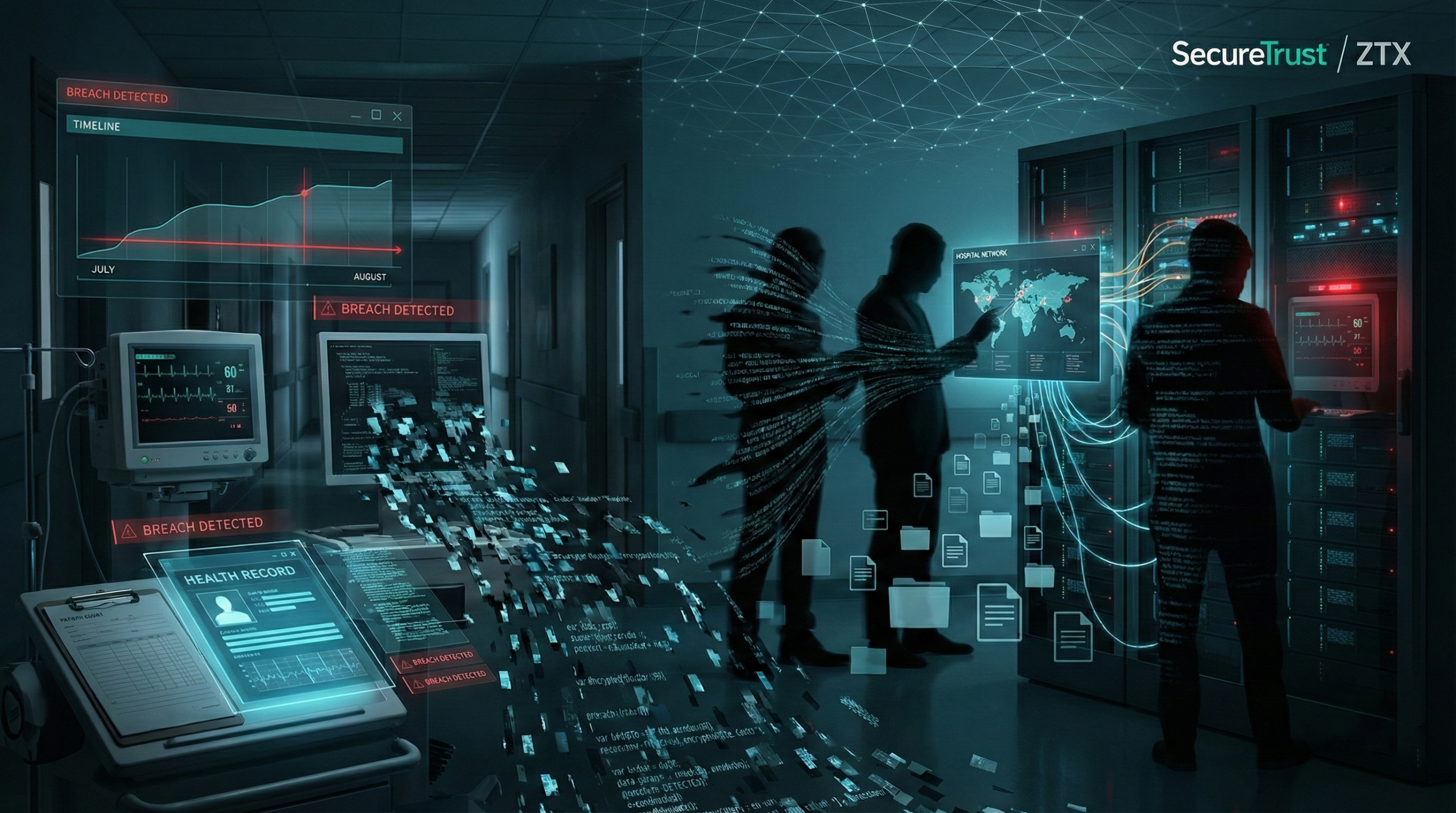
- Timeline: Attackers gained access to MedStar's network and remained undetected for four days in September. The breach was discovered a month later.
- Data Exfiltrated: 7 million patient records, including personally identifiable information (PII) and protected health information (PHI) such as names, Social Security numbers, and sensitive medical details.
- Motive and Action: The Rhysida group listed the entire dataset for sale on the dark web for 25 bitcoins, indicating a purely financial motive.
Historical Context and Warnings
- Healthcare as a Target: The healthcare industry remains a top target due to the high value of medical data, which is permanent and useful for fraud and identity theft.
- Cost of Breaches: A healthcare data breach costs an average of $10.93 million, the highest of any industry, according to an IBM report.
- MedStar's Prior Incident: MedStar Health settled a 2024 data breach lawsuit for $1.35 million following the compromise of employee email accounts. This prior incident should have prompted a comprehensive security overhaul.
- Government Warnings: In August 2023, the U.S. Cybersecurity and Infrastructure Security Agency (CISA) issued a joint advisory specifically warning about the Rhysida ransomware group's activity targeting "education, government, manufacturing, technology, and healthcare and public health" sectors.
Emerging Narratives and Responses
- Cybersecurity Community's Verdict: Experts view the breach as a worst-case scenario due to the sensitivity of the data. They advocate for a defense-in-depth strategy, including continuous network monitoring, robust and immutable data backups, and a strong security culture. Basic perimeter defenses are deemed insufficient.
- MedStar's Public Response: MedStar stated they secured their systems, engaged third-party cybersecurity experts, and notified the FBI. They offered free credit monitoring services to the 7 million affected individuals.
- Legal Fallout: Multiple class-action lawsuits were filed, alleging negligence and MedStar's failure to implement reasonable security measures. The prior 2024 breach is cited as evidence of MedStar's awareness of vulnerabilities and failure to address them adequately.
Analysis of Core Failures
- Reactive Defense: Discovering an intrusion a month after it occurred signifies a failure to detect and neutralize threats in real-time. Proactive, 24/7 threat hunting and monitoring are essential.
- Ignoring Past Lessons: A previous breach should trigger a fundamental re-evaluation of security policies, technologies, and training, not just a superficial fix.
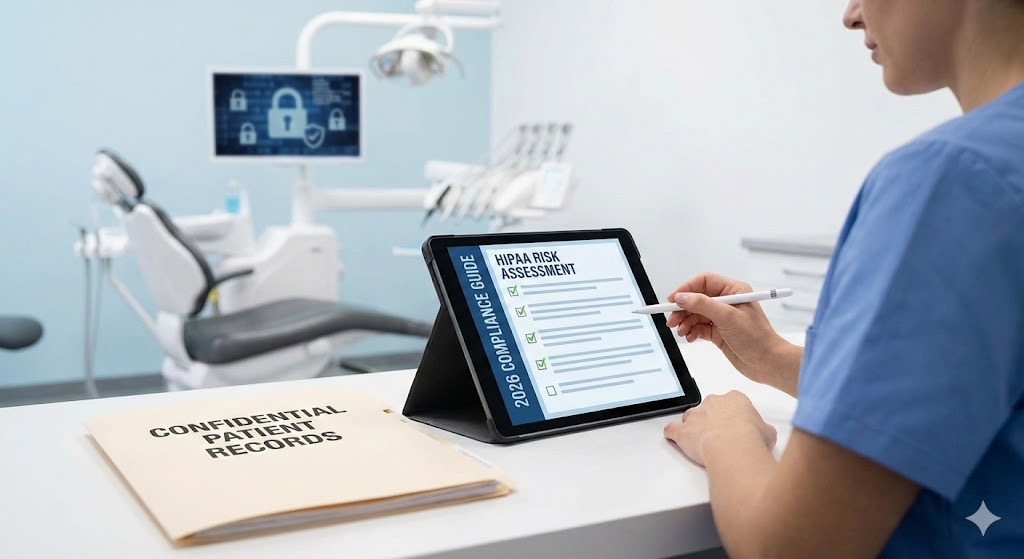
- Compliance vs. Security: Meeting regulatory requirements (e.g., HIPAA) is a starting point, not the end goal. True security requires a risk-based approach that goes beyond regulatory checklists, as demonstrated by the 2023 HCA Healthcare breach which also exposed millions of patient records.
Prescription for Prevention: An Actionable Defense Plan
For C-Suite and Hospital Administrators:
- Build a Security Culture
- Adopt a Proven Framework (NIST Cybersecurity Framework)
- Drill for Disaster
For IT Teams:
- Mandate Multi-Factor Authentication (MFA)
- Implement 24/7 Network Monitoring
- Backup Critically (immutable, offline backups)
For All Staff (Doctors, Nurses, etc.):
- Master the 5-Second Phishing Test
- Strengthen Passwords (using password managers)
- Report Suspicious Activity Immediately
Prognosis and Conclusion
- MedStar Health's Future: Faces legal challenges, potential regulatory fines from entities like the Department of Health and Human Services, and the task of rebuilding patient trust.
- Broader Healthcare Industry: The breach should catalyze significant investment and prioritization of cybersecurity.
- Evolving Threats: Attackers will continue to evolve, using AI for phishing and targeting the Internet of Medical Things (IoMT). Defense must evolve faster.
- Conclusion: In healthcare, cybersecurity is critical to patient safety. A proactive, layered, and relentless defensive strategy is the only effective cure for ransomware. Organizations must assess their preparedness immediately.
Frequently Asked Questions (FAQ)
What is Rhysida ransomware?
A ransomware-as-a-service (RaaS) group active since 2023, known for targeting healthcare and education sectors by encrypting files and exfiltrating data for ransom.
Secure your business and remote users
Deploy the SecureTrust stack, reduce lateral movement, and monitor every endpoint, fully managed for you.
Book a Meeting NowDifference between compliance and security?
Compliance meets regulatory requirements (e.g., HIPAA), while security is the comprehensive practice of protecting data and systems. Security often goes beyond minimum compliance standards.
Why is medical data valuable?
It contains permanent, personal information (names, birthdates, SSNs, health histories) ideal for long-term identity theft, insurance fraud, and targeted phishing.
First steps after a data breach?
Execute the incident response plan: contain the breach, engage cybersecurity experts, notify law enforcement (FBI), and assess notification obligations for affected individuals.
Share This Analysis
Spread awareness and help strengthen cybersecurity defenses across the healthcare industry.