The Silent Threat:
Healthcare Cybersecurity Under Siege
A deep dive into the St. Anthony Regional Hospital data breach, its critical implications, and essential strategies to fortify digital defenses in the healthcare industry.

St. Anthony Regional Hospital Data Breach and Healthcare Cybersecurity
This document details the data breach at St. Anthony Regional Hospital, its implications for healthcare cybersecurity, and strategies for defense.
1. St. Anthony Regional Hospital Data Breach Details
- Timeline: Unauthorized access occurred between August 14 and August 28, 2024. Suspicious activity detected on August 26, 2024.
- Affected Parties: Current and former patients across multiple states. Reported to HHS OCR for over 500 individuals.
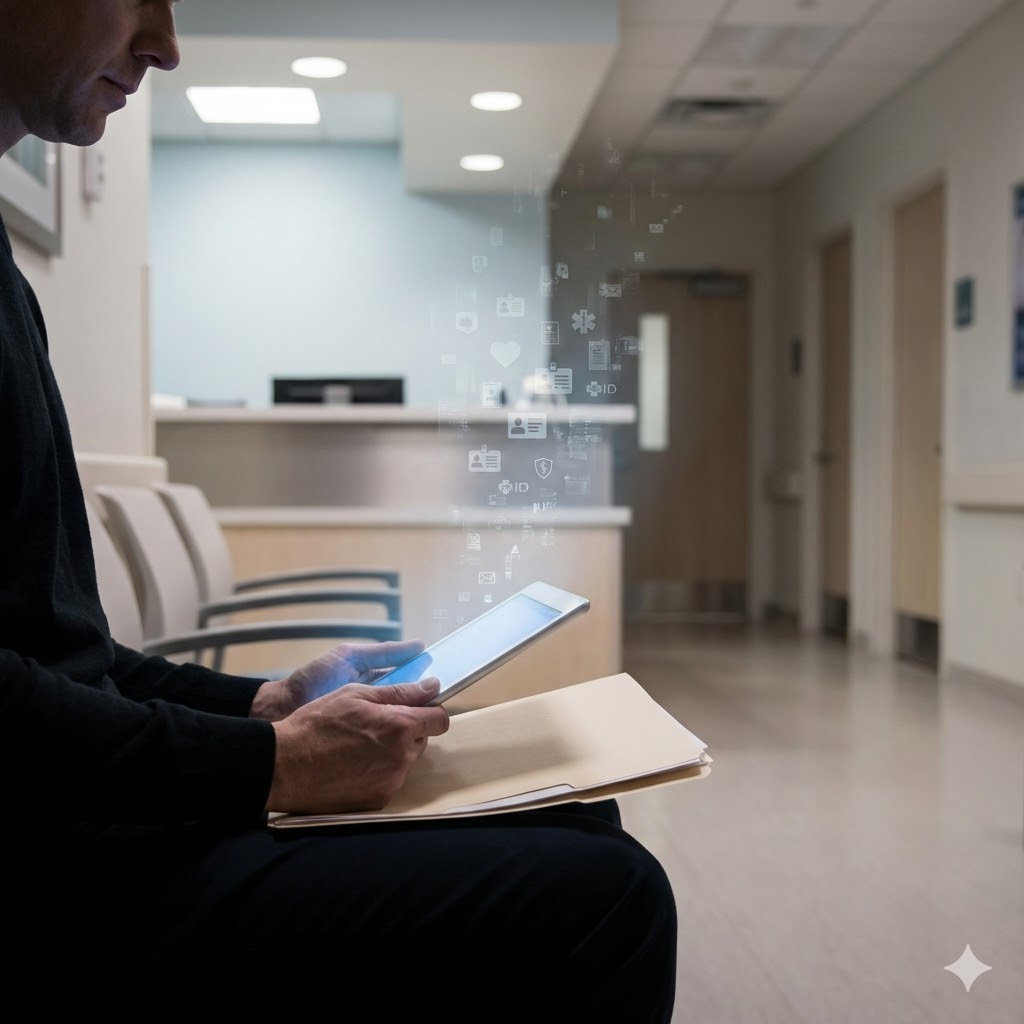
- Compromised Data: Full names, addresses, dates of birth, Social Security numbers, driver's license numbers, financial information, medical treatment/diagnosis data (billing, prescriptions, medical device serial numbers), biometric data, Patient IDs, health insurance information, doctor's names.
- Hospital's Response: Secured network, launched investigation with cybersecurity specialists and federal law enforcement, notified authorities, sent breach notification letters, offered 24 months of free credit monitoring, established dedicated call center, reviewing policies for future security.
2. Healthcare's History of Cyberattacks
- Motivation: PHI is highly valuable on the black market, making healthcare a prime target.
- Escalating Scale: Increasing frequency and severity of financially motivated data breaches.
- Cost of Breaches: In 2023, average cost was $10.93 million, highest across all sectors (IBM).
- Noteworthy Incidents:
- Anthem (2015): 78.8 million patients/employees via phishing.
- Premera Blue Cross (2015): Over 11 million customers.
- Change Healthcare (2024): "Most significant" in US healthcare history, 100-190 million Americans impacted by ransomware.
- Ascension (2024): Ransomware crippled operations, affected 5.6 million patients.
- Kaiser Foundation Health Plan (2024): 13.4 million records exposed due to tracking codes.
- Key Takeaway: These incidents highlight systemic vulnerabilities and the urgent need for robust, proactive cybersecurity defenses.
3. Expert Reactions and Opinions
- Legal Scrutiny: Law firms are investigating or initiating class-action lawsuits.
- Regulatory Oversight: Breach notification to HHS OCR indicates federal scrutiny and importance of HIPAA adherence.
- Industry-Wide Pressure: Major incidents intensify pressure to bolster cybersecurity.
4. Controversies and Conflicting Views
- Lawsuit Allegations: "Alleged failures in data security" by the hospital.
- Distinguishing Institutions: Specifically concerns St. Anthony Regional Hospital in Carroll, Iowa, separate from other institutions with similar names.
5. Key Vulnerabilities and Lessons Learned from the St. Anthony Breach
- Delayed Detection: Two-week unauthorized access suggests gaps in real-time monitoring.
- Network Security Gaps: Access to a "subset of the network" indicates weaknesses in segmentation and access controls.
- Ongoing Threat Mitigation: Difficulties in swiftly identifying and mitigating threats.
6. Broader Lessons from Healthcare Breaches
- Prevalence of hacking and ransomware.
- Vulnerability of legacy systems and unpatched software.
- Critical need for strong access controls (MFA, RBAC, least privilege).
- Importance of continuous employee training and robust third-party risk management.
- Imperative for end-to-end encryption and comprehensive incident response plans.
7. Fortifying Digital Defenses: Preparation and Best Practices
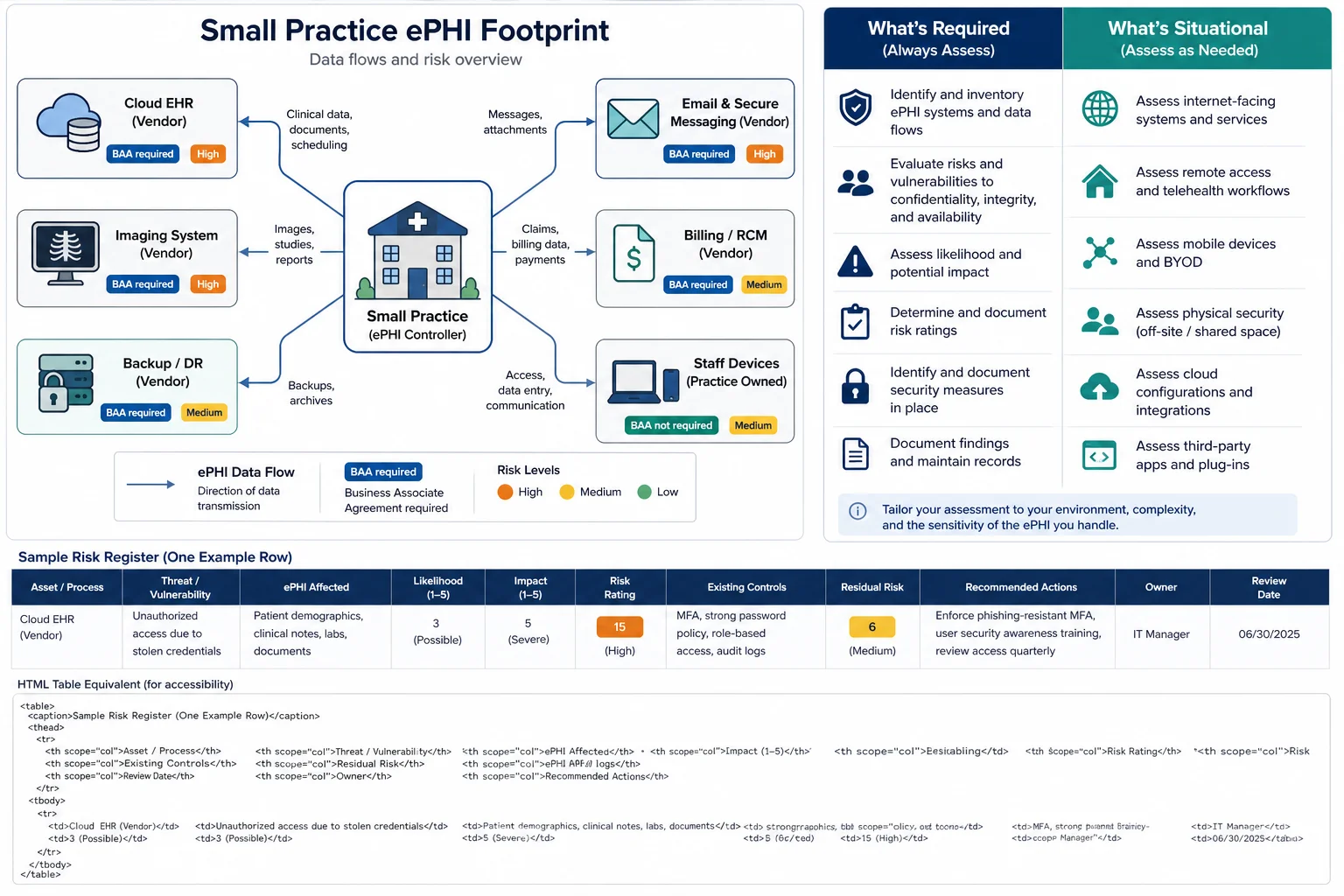
- Foundational Frameworks: Adopt HIPAA, NIST Cybersecurity Framework, and HITRUST.
- Best Practices for Healthcare Providers:
- Strong Access Controls (MFA, least privilege, RBAC).
- Regular Training (phishing, social engineering, data privacy).
- Data Encryption (in transit and at rest).
- Proactive Assessments (vulnerability scans, penetration testing).
- Patch Management (all systems, software, medical devices).
- Robust Backups (automated, encrypted, offsite).
- Network Segmentation (isolate critical systems).
- Comprehensive Incident Response (plan for detection, containment, recovery).
- Actionable Steps for Medical Staff & IT Teams:
- Medical Staff: Vigilant against phishing, strong passwords, report suspicious activity.
- IT Teams: Prioritize patch management, strict access policies, deploy EDR, secure remote access, monitor for anomalies.
8. SecureTrust's ZTX Platform: Proactive Defense Solutions
Problem: Data Loss & Exfiltration
ZTX Solution: Advanced Data Loss Prevention (DLP) to monitor, detect, and prevent sensitive data from leaving the network.
Problem: Unprotected Endpoints & Malware
ZTX Solution: Comprehensive Endpoint Detection and Response (EDR) for real-time threat detection, investigation, and response.
Problem: Vulnerable Remote & Third-Party Access
ZTX Solution: Zero Trust Network Access (ZTNA) to authenticate and authorize all users, devices, and applications before granting access, removing implicit trust.
Problem: Delayed Threat Detection & Response
ZTX Solution: Integrated threat intelligence, AI/ML-driven analytics, and automated response capabilities for faster threat neutralization.
Problem: Insufficient Access Controls & Lateral Movement
ZTX Solution: Identity-centric security and micro-segmentation features to limit attacker movement within the network.
The ZTX Platform provides a proactive, layered defense designed for healthcare's complex challenges, moving beyond reactive measures to adaptive, always-on security.
9. Future Outlook and Path Forward
- Emerging Threats: Expect increasingly sophisticated attacks using AI, continued targeting of supply chains (e.g., Change Healthcare), and evolving regulatory requirements.
- The Path Forward: Proactive, adaptive security measures are essential. Healthcare organizations must adopt a continuous security posture to anticipate and neutralize threats before they cause widespread damage.
Conclusion and Call to Action
The St. Anthony Regional Hospital breach underscores the vulnerability of healthcare organizations and the paramount importance of protecting patient data. Proactive strategies and technology are crucial for transforming defenses. SecureTrust offers comprehensive cybersecurity assessments and the ZTX Platform to fortify defenses. Contact SecureTrust for a consultation or demo.
Get a ConsultationFrequently Asked Questions
What is HIPAA and why is it important for healthcare cybersecurity? +
HIPAA (Health Insurance Portability and Accountability Act) sets standards for protecting sensitive patient data. It's crucial for avoiding penalties and maintaining patient trust by ensuring the confidentiality and security of Protected Health Information (PHI).
What are the immediate steps after a healthcare data breach? +
Key actions include securing the network, conducting thorough investigations, notifying affected parties and regulators (like HHS OCR), and implementing preventative measures to stop future incidents.
How can healthcare organizations improve their cybersecurity posture? +
This involves strong access controls, regular employee training, robust data encryption, proactive security assessments, comprehensive backup strategies, network segmentation, and a well-defined incident response plan.
What is Zero Trust Network Access (ZTNA) in the context of healthcare? +
ZTNA ensures that no user or device is automatically trusted, requiring continuous verification before granting access to network resources. This minimizes unauthorized access and prevents lateral movement by attackers within the network.
How does SecureTrust's ZTX Platform address healthcare cybersecurity challenges? +
The ZTX Platform offers layered defenses including DLP, EDR, ZTNA, integrated threat intelligence, and AI-driven analytics. It provides proactive threat detection, neutralization, data protection, and ensures regulatory compliance for complex healthcare environments.