2025 Healthcare Cybersecurity: A Comprehensive Analysis of Data Breaches and Strategic Defense Measures
The healthcare sector continues to face unprecedented cybersecurity challenges, with 2025 marking another year of significant data breaches and evolving threat landscapes. As healthcare organizations increasingly digitize patient records and expand telehealth services, cybercriminals have intensified their attacks, exploiting vulnerabilities across the industry's complex technology infrastructure.
This comprehensive analysis examines the most critical cybersecurity incidents of 2025, explores the sophisticated tactics employed by threat actors, and provides actionable defensive strategies that healthcare organizations can implement to protect sensitive patient data and maintain operational continuity.
The Escalating Healthcare Cybersecurity Crisis in 2025
Healthcare organizations have become prime targets for cybercriminals, primarily due to the immense value of protected health information (PHI) on the black market. According to the Department of Health and Human Services, healthcare data breaches affecting 500 or more individuals have continued their upward trajectory, with 2025 witnessing some of the most devastating attacks in the industry's history.
Secure your business and remote users
Get an All-In-One security stack, reduce lateral movement, and monitor every endpoint, fully managed for you. For just $1 per day.
Book a Meeting NowThe financial impact of these breaches extends far beyond immediate remediation costs. Healthcare organizations face regulatory penalties, litigation expenses, reputation damage, and operational disruptions that can compromise patient care delivery. Furthermore, the average cost of a healthcare data breach reached $10.93 million in 2024, representing the highest cost among all industries for the 13th consecutive year, as reported by IBM's Cost of a Data Breach Report.
Why Healthcare Remains a Target-Rich Environment
Healthcare organizations present unique vulnerabilities that make them attractive to cybercriminals. Legacy systems, interconnected medical devices, third-party vendor relationships, and the critical nature of healthcare services create an environment where organizations often face pressure to pay ransoms quickly to restore patient care operations.
Additionally, the healthcare ecosystem's complexity—spanning hospitals, clinics, insurance companies, pharmaceutical firms, and business associates—creates numerous entry points for attackers. Each connection represents a potential vulnerability that threat actors can exploit to gain unauthorized access to valuable patient data.
Major Healthcare Data Breaches of 2025
Change Healthcare Cyberattack: A Watershed Moment
The Change Healthcare ransomware attack, which began in late February 2025, stands as one of the most significant healthcare cybersecurity incidents in history. The attack disrupted prescription processing, claims submissions, and payment systems across the United States, affecting hundreds of millions of Americans and thousands of healthcare providers.
This incident demonstrated the catastrophic ripple effects that can occur when a critical healthcare infrastructure provider falls victim to cybercriminals. The attack exposed vulnerabilities in the healthcare supply chain and highlighted the industry's dependence on a limited number of technology vendors. According to the American Hospital Association, the breach impacted nearly every aspect of healthcare operations, from patient care delivery to revenue cycle management.
The financial toll extended beyond Change Healthcare itself, as healthcare providers nationwide experienced cash flow disruptions lasting weeks or months. Many smaller practices and rural hospitals struggled to maintain operations without their normal payment processing capabilities, forcing some to dip into credit lines or delay payroll.
Ascension Health System Breach
In May 2025, Ascension, one of the nation's largest non-profit health systems operating 140 hospitals across 19 states, disclosed a significant ransomware attack that disrupted clinical operations and forced the organization to divert ambulances and postpone elective procedures. The breach compromised electronic health records, forcing healthcare providers to revert to manual, paper-based processes.
The Ascension attack illustrated the operational vulnerabilities inherent in modern healthcare delivery systems. When digital systems fail, the entire care delivery model faces severe disruptions, potentially compromising patient safety and outcomes. This incident prompted healthcare organizations nationwide to reassess their business continuity planning and disaster recovery capabilities.
Additional Notable Breaches
Beyond these high-profile incidents, 2025 witnessed numerous other significant breaches affecting healthcare organizations of all sizes:
- Community Health Systems: A sophisticated phishing campaign targeting administrative staff resulted in unauthorized access to patient demographic information and billing records affecting approximately 500,000 patients across multiple states.
- Regional Insurance Providers: Several mid-sized health insurance companies experienced coordinated attacks that compromised member data, including Social Security numbers, medical histories, and financial information. These breaches raised concerns about the security posture of smaller payers who may lack the resources to implement comprehensive cybersecurity programs.
- Medical Device Manufacturers: Vulnerabilities in connected medical devices became an increasing concern, with researchers identifying critical flaws in infusion pumps, pacemakers, and diagnostic equipment that could potentially be exploited by attackers to disrupt patient care or steal data.
- Telehealth Platforms: The continued expansion of virtual care services created new attack surfaces, with several telehealth providers experiencing breaches that exposed video consultations, chat transcripts, and patient health information.
Evolving Threat Landscape and Attack Methodologies
Ransomware Evolution and Double Extortion Tactics
Ransomware attacks have evolved significantly beyond simple file encryption. Modern ransomware groups now employ double and triple extortion tactics, where attackers not only encrypt data but also exfiltrate sensitive information and threaten to publish it on dark web leak sites if ransoms aren't paid. Some groups have even contacted patients directly, threatening to expose their personal health information unless additional payments are made.
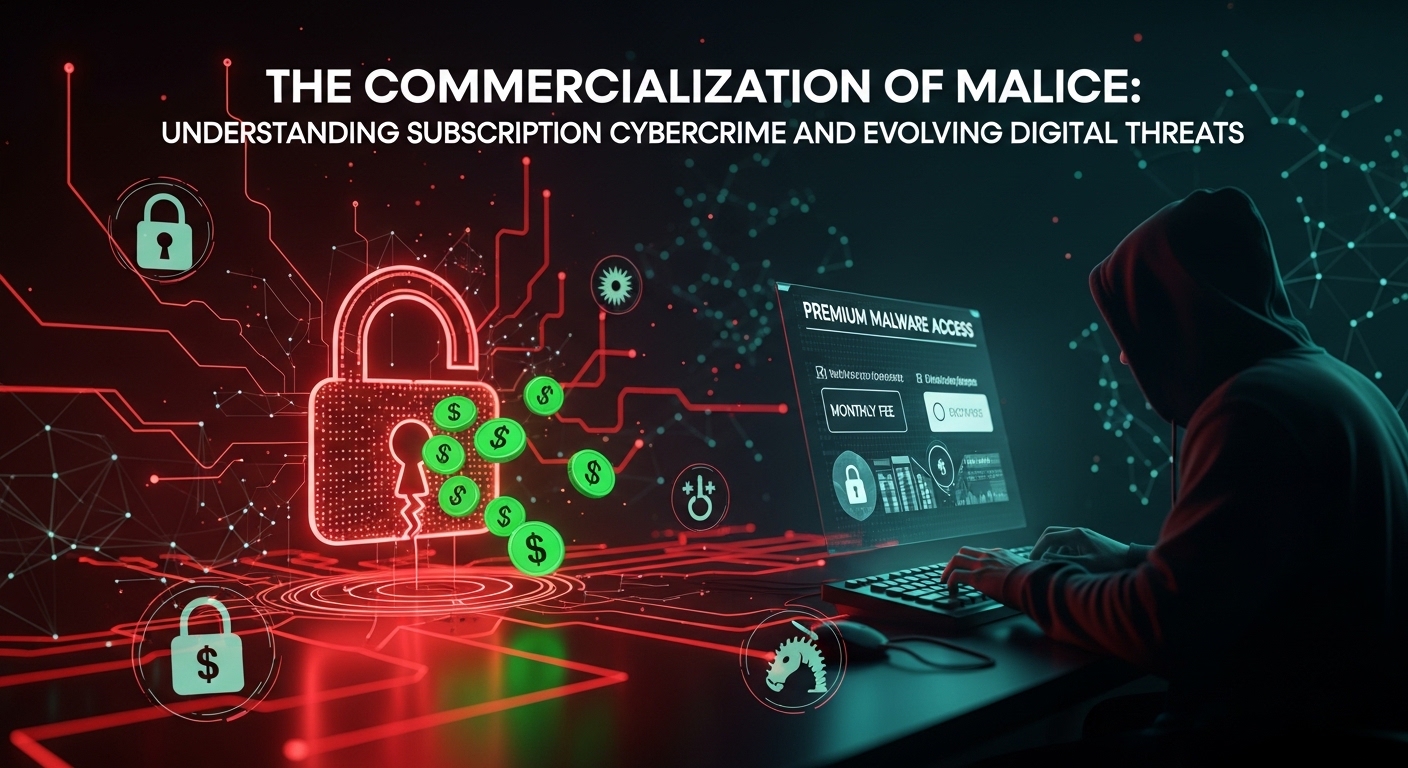
The Cybersecurity and Infrastructure Security Agency (CISA) has documented an increase in ransomware-as-a-service (RaaS) operations, where sophisticated malware is licensed to affiliates who conduct attacks and share profits with the malware developers. This business model has lowered the barrier to entry for cybercriminals and increased the volume and sophistication of attacks.
Supply Chain Vulnerabilities
The Change Healthcare incident underscored the critical importance of third-party risk management in healthcare cybersecurity. Healthcare organizations increasingly rely on vendors for essential services, from electronic health records to medical billing and cloud infrastructure. When these vendors experience breaches, the impact cascades throughout the healthcare ecosystem.
Supply chain attacks represent a particularly insidious threat because they allow attackers to compromise multiple organizations simultaneously by targeting a single vendor. Healthcare organizations must therefore extend their security oversight beyond their own networks to encompass the entire ecosystem of business associates and technology partners.
Social Engineering and Phishing Campaigns
Despite technological advances in security controls, human vulnerabilities remain the most exploited attack vector. Cybercriminals have refined their social engineering techniques, creating highly convincing phishing emails that impersonate trusted sources such as hospital administrators, insurance companies, or government health agencies.
Spear-phishing campaigns targeting specific individuals within healthcare organizations have become increasingly sophisticated, incorporating personal details gleaned from social media and public records to enhance credibility. These targeted attacks often focus on individuals with elevated system privileges, such as IT administrators or finance department staff, whose credentials provide attackers with extensive network access.
Insider Threats and Credential Compromise
Not all threats originate from external actors. Insider threats—whether malicious employees, negligent staff, or compromised credentials—represent a significant risk to healthcare data security. The Office for Civil Rights has reported numerous cases of employees inappropriately accessing celebrity medical records, stealing patient data for identity theft schemes, or inadvertently exposing data through careless handling of portable devices.
Credential stuffing attacks, where attackers use stolen username and password combinations obtained from breaches in other industries, have proven particularly effective against healthcare organizations where password reuse remains common among staff members.
Comprehensive Defensive Measures for Healthcare Organizations
Zero Trust Architecture Implementation
Traditional perimeter-based security models have proven inadequate for the modern healthcare environment, where users, devices, and applications exist both inside and outside organizational boundaries. Zero Trust architecture operates on the principle of "never trust, always verify," requiring continuous authentication and authorization for every access request regardless of origin.
Implementing Zero Trust involves several key components:
- Identity and Access Management: Deploy robust multi-factor authentication (MFA) for all users, especially those accessing sensitive systems or data. Implement privileged access management (PAM) solutions to control and monitor administrative credentials.
- Network Segmentation: Divide networks into smaller, isolated segments to limit lateral movement if attackers gain initial access. Medical devices, administrative systems, and guest networks should operate on separate segments with strictly controlled communication pathways.
- Continuous Monitoring: Implement comprehensive logging and real-time monitoring of network traffic, user behavior, and system access. Utilize security information and event management (SIEM) platforms to correlate events and detect anomalous activity.
- Least Privilege Access: Grant users only the minimum permissions necessary to perform their job functions. Regularly review and revoke unnecessary access rights, particularly when employees change roles or leave the organization.
Advanced Threat Detection and Response
Effective cybersecurity requires the ability to detect threats quickly and respond decisively before significant damage occurs. Healthcare organizations should invest in advanced threat detection capabilities:
- Endpoint Detection and Response (EDR): Deploy EDR solutions on all endpoints, including workstations, servers, and where feasible, medical devices. These tools provide visibility into endpoint activities and can automatically contain suspicious processes.
- Network Traffic Analysis: Implement solutions that analyze network traffic patterns to identify command-and-control communications, data exfiltration attempts, and other malicious activities that may evade traditional security controls.
- Security Orchestration, Automation, and Response (SOAR): Automate routine security tasks and response actions to accelerate incident response times. SOAR platforms can automatically isolate compromised systems, disable user accounts, and initiate forensic data collection when threats are detected.
- Threat Intelligence Integration: Subscribe to threat intelligence services that provide real-time information about emerging threats, indicators of compromise, and threat actor tactics. Integrate this intelligence into security tools to enable proactive defense against known threats.
Robust Backup and Recovery Strategies
Given the prevalence of ransomware attacks, comprehensive backup and recovery capabilities represent critical last lines of defense. Effective backup strategies should incorporate:
- 3-2-1 Backup Rule: Maintain at least three copies of data, stored on two different media types, with one copy stored offsite or in an immutable cloud environment. This approach ensures data availability even if primary systems and local backups are compromised.
- Immutable Backups: Implement backup solutions with immutability features that prevent backups from being modified or deleted, even by administrators. This protects against ransomware variants designed to locate and encrypt backup data.
- Regular Testing: Conduct regular recovery drills to verify that backups are functioning correctly and that the organization can restore systems within acceptable timeframes. Document recovery procedures and train staff on emergency restoration processes.
- Offline Backups: Maintain air-gapped backups that are completely disconnected from the network except during backup operations. This provides protection against advanced persistent threats that may lurk in networks for extended periods.
Comprehensive Security Awareness Training
Technology alone cannot prevent breaches—human vigilance remains essential. Healthcare organizations should implement ongoing security awareness programs that:
- Simulate Realistic Threats: Conduct regular phishing simulations using scenarios relevant to healthcare environments. Track click rates and provide immediate feedback to users who fall for simulated attacks.
- Role-Based Training: Provide specialized training tailored to different roles within the organization. Clinical staff require different security knowledge than IT administrators or finance personnel.
- Incorporate Security into Workflows: Make security awareness part of daily operations rather than an annual compliance exercise. Use brief, frequent reminders and updates about current threats and security best practices.
- Measure Effectiveness: Track metrics such as phishing simulation results, security incident reports from staff, and compliance with security policies. Use this data to refine training programs and identify areas requiring additional focus.
Third-Party Risk Management
Given the interconnected nature of healthcare delivery, organizations must implement rigorous third-party risk management programs:
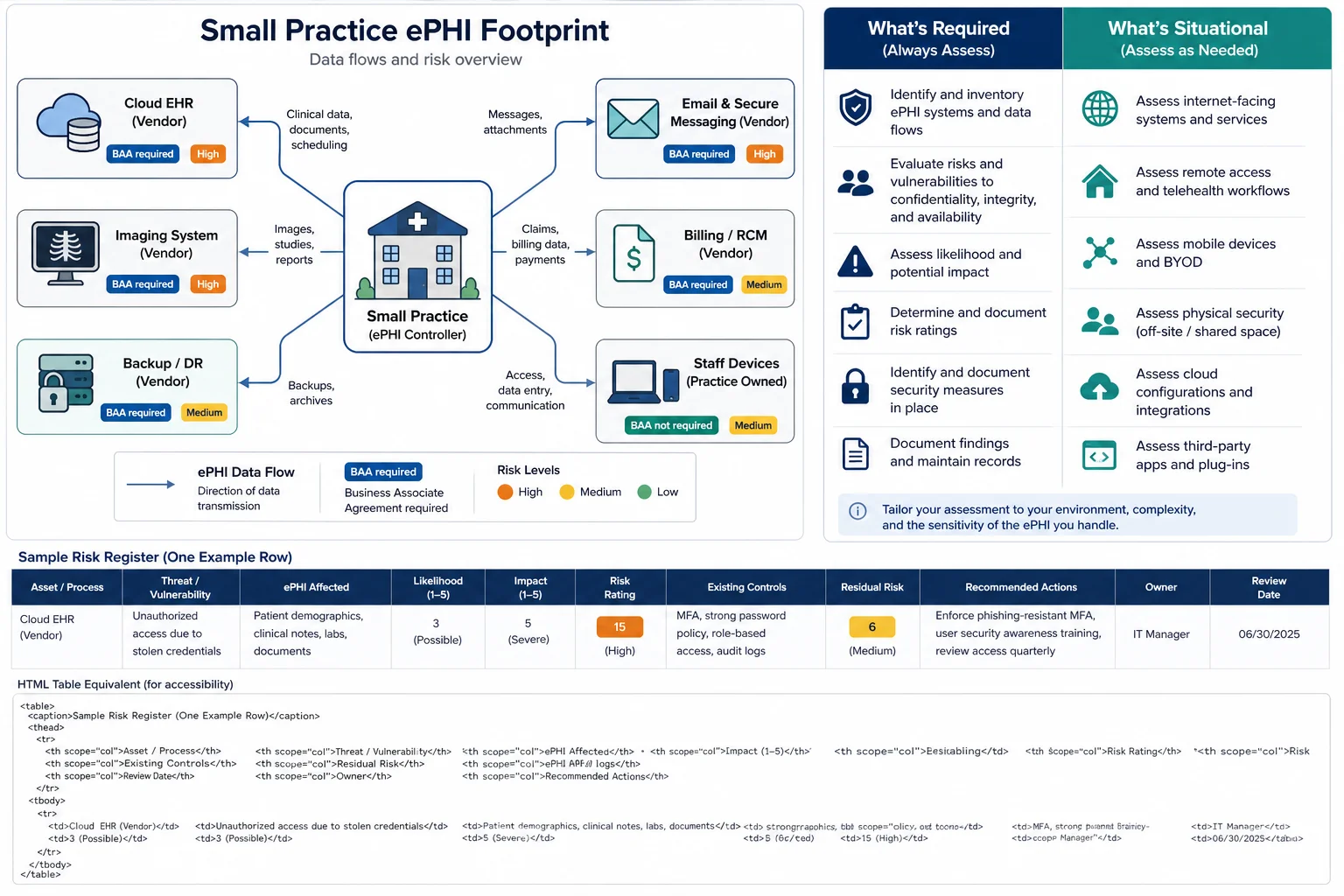
- Comprehensive Due Diligence: Conduct thorough security assessments of vendors before establishing relationships. Review security certifications, penetration test results, and incident response capabilities.
- Contractual Requirements: Include specific cybersecurity requirements in vendor contracts, including data protection standards, incident notification timelines, and audit rights. Ensure business associate agreements (BAAs) comply with HIPAA requirements.
- Continuous Monitoring: Regularly reassess vendor security postures through questionnaires, security scorecards, and periodic audits. Don't assume that initial due diligence remains valid throughout the relationship.
- Incident Response Coordination: Establish clear protocols for vendor-related security incidents, including notification requirements, investigation procedures, and communication strategies. Conduct joint incident response exercises with critical vendors.
Regulatory Compliance and Legal Considerations
HIPAA Security Rule Enhancements
The Department of Health and Human Services has signaled intentions to update HIPAA Security Rule requirements to address modern cybersecurity threats. Healthcare organizations should anticipate increased emphasis on:
- Risk Analysis Documentation: More rigorous expectations for comprehensive risk assessments that identify specific vulnerabilities and document mitigation strategies.
- Encryption Requirements: Potential mandates for encryption of data at rest and in transit, moving beyond current guidelines that treat encryption as "addressable" rather than "required."
- Incident Response Plans: Enhanced requirements for documented incident response procedures, including specific timelines for breach detection, containment, and notification.
- Third-Party Oversight: Stricter expectations for monitoring and managing business associate security practices.
State Privacy Laws and Data Protection
Beyond federal HIPAA requirements, healthcare organizations must navigate an increasingly complex landscape of state privacy laws. States including California, Virginia, and Colorado have enacted comprehensive privacy legislation that may impose additional obligations on healthcare organizations, particularly regarding consumer rights, data minimization, and breach notification.
Organizations operating across multiple states must implement compliance programs that address the most stringent requirements they face, creating a complex patchwork of obligations that requires careful legal review and operational coordination.
Cyber Insurance Considerations
Cyber insurance has become an essential risk management tool for healthcare organizations, providing financial protection against breach-related costs. However, insurers have tightened underwriting requirements, increasingly requiring organizations to demonstrate matur